
Project Video Demonstration
This project page is prepared for Single-Phase CLLC Resonant Converter Modeling for High-Efficiency Power Conversion MATLAB Simulink. The research objective is to demonstrate a clear engineering workflow that can be understood by PhD researchers, postgraduate scholars, final year project students and technical clients. The model is positioned around CLLC resonant converter, with emphasis on measurable performance, transparent assumptions and repeatable simulation outputs. Instead of presenting the topic as a simple demonstration, the page explains how the system can become a thesis chapter, a journal-paper extension, or a professional assignment with validation-ready result discussion.
Project Results and Screenshots
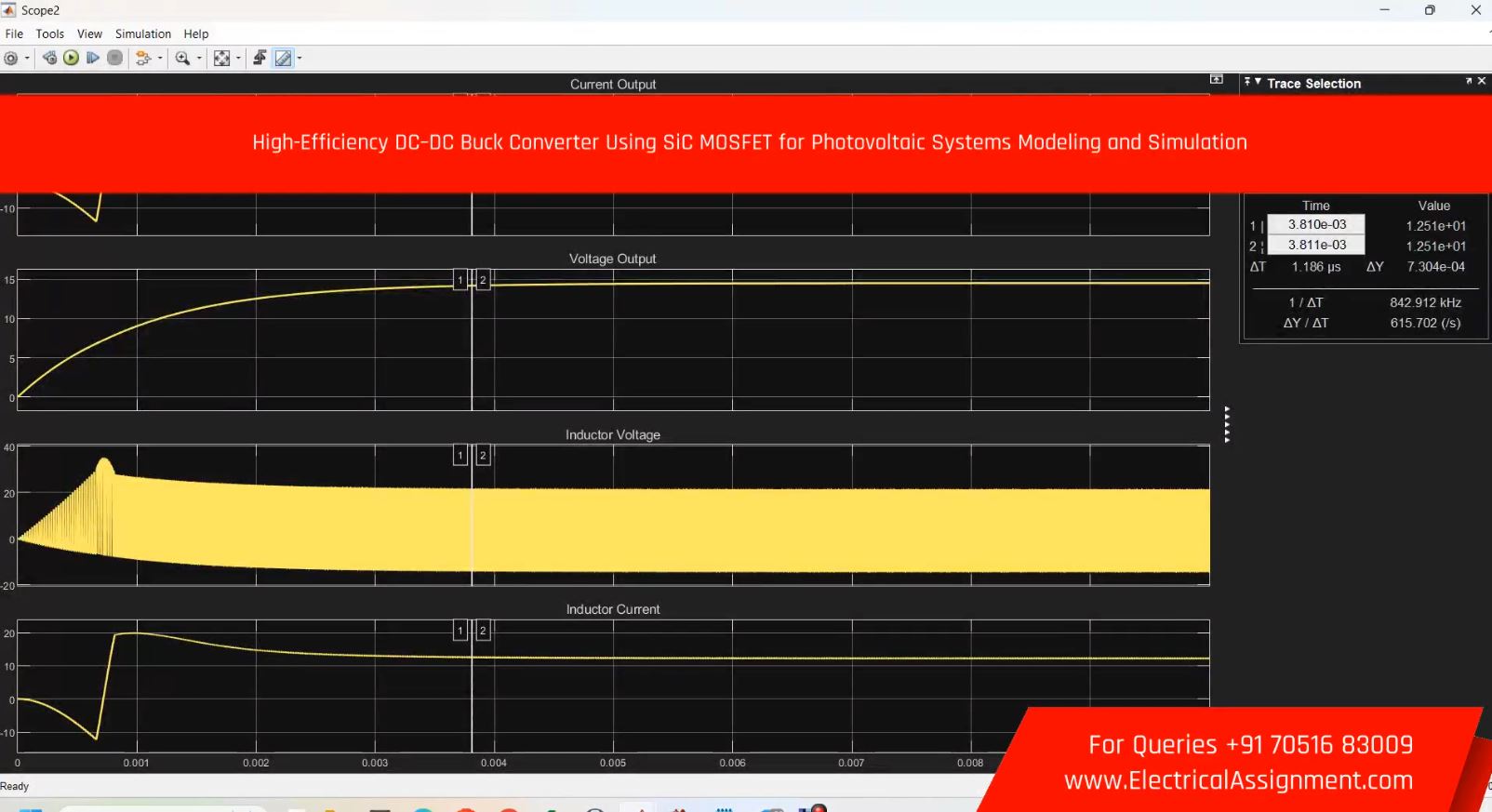
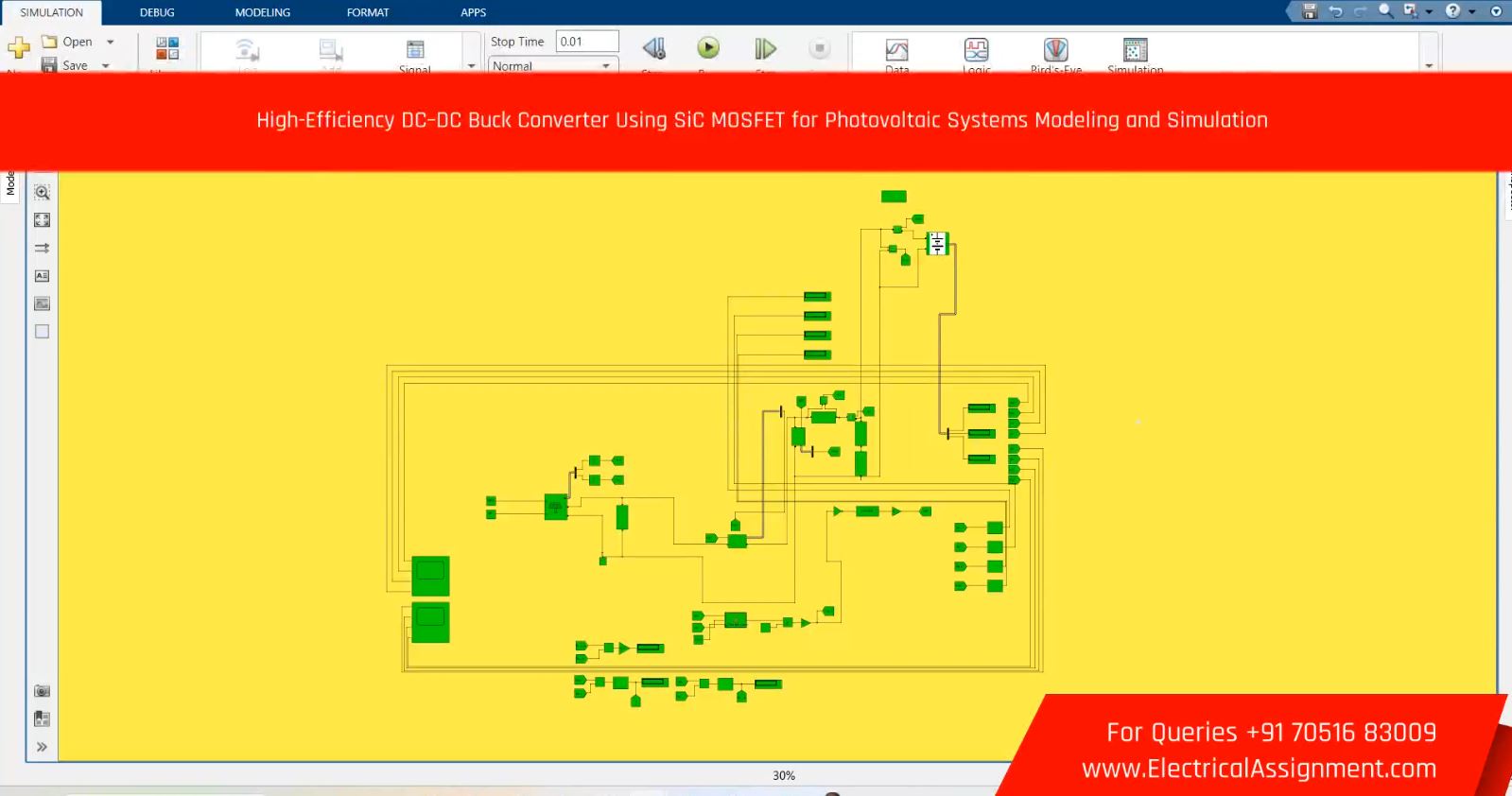
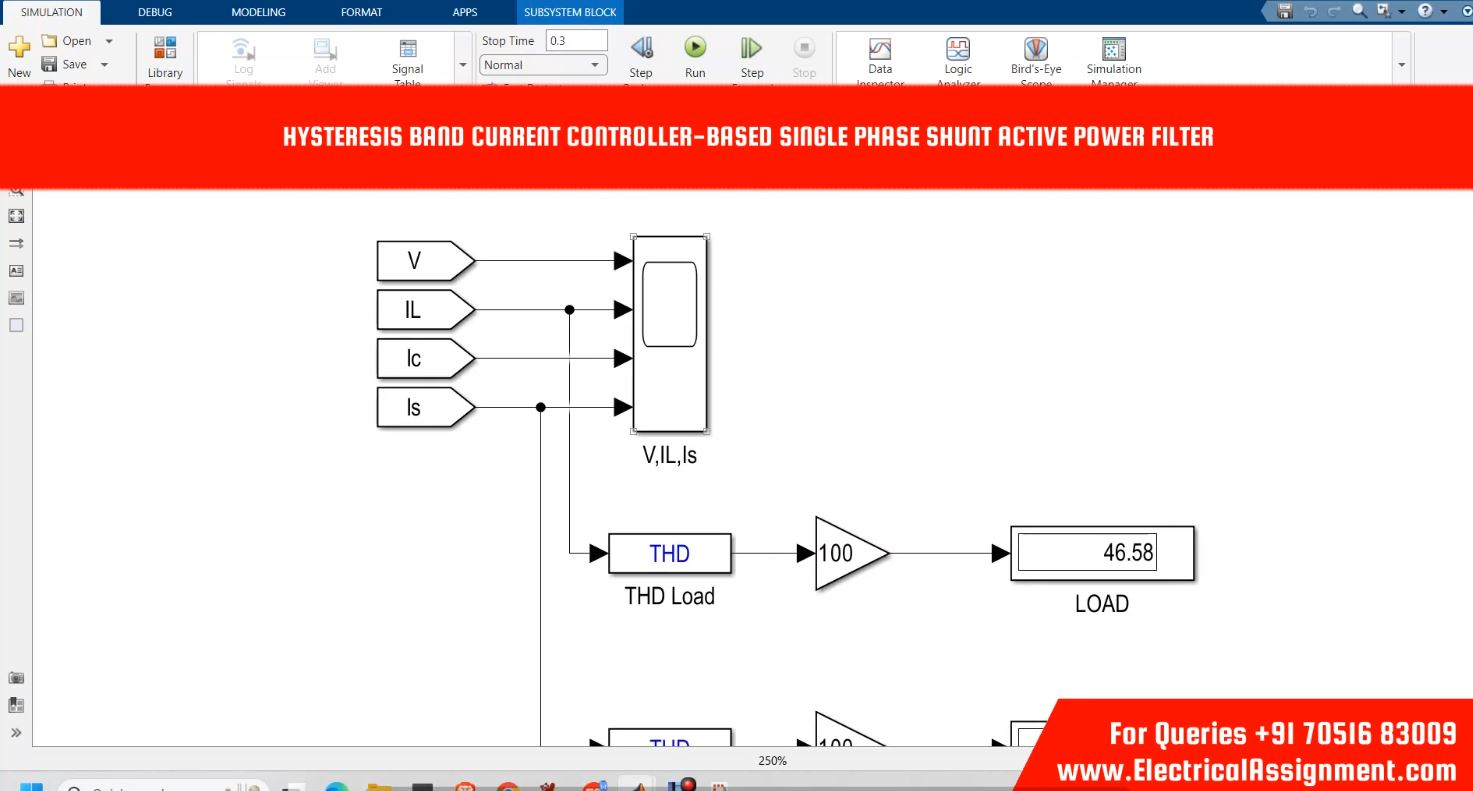
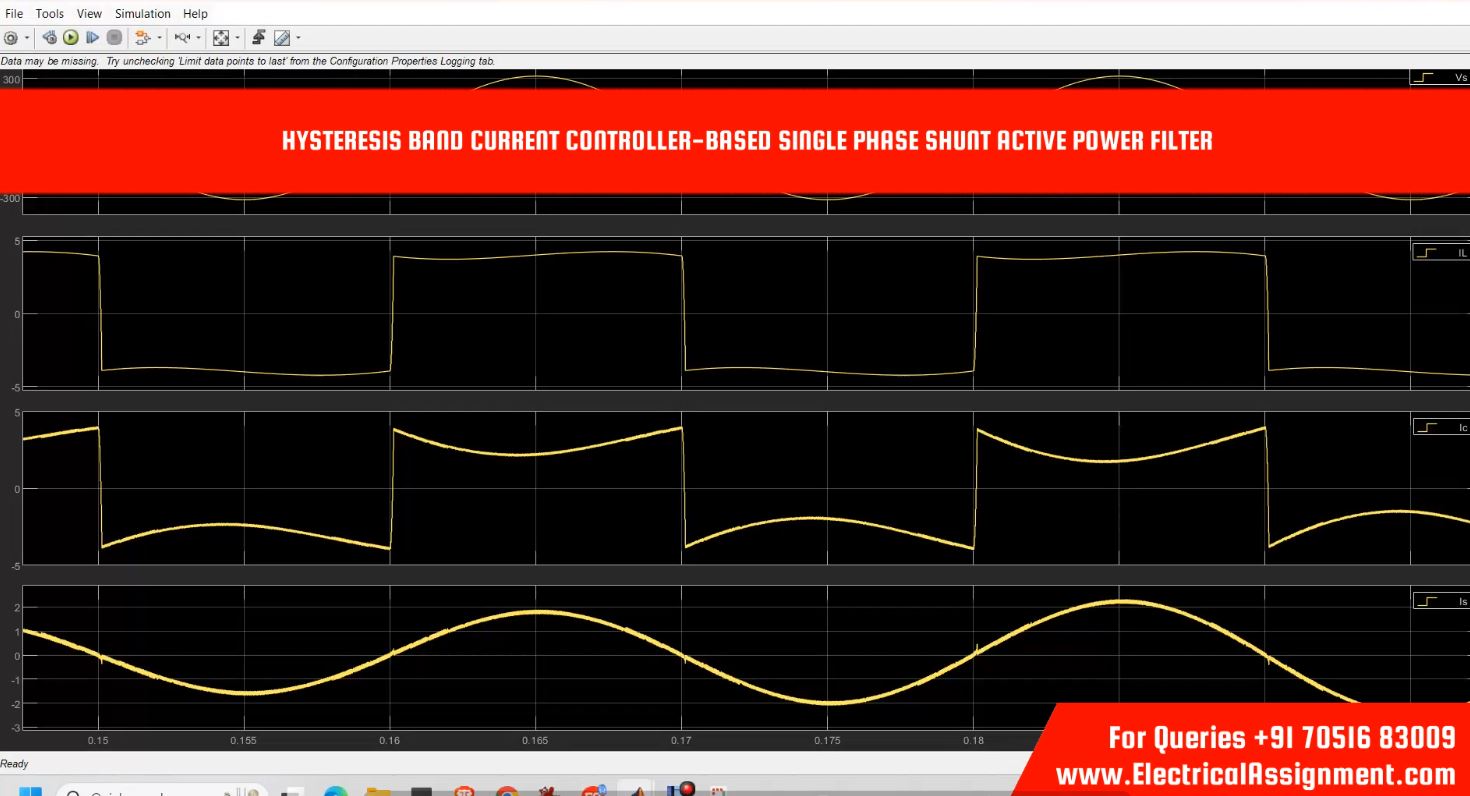
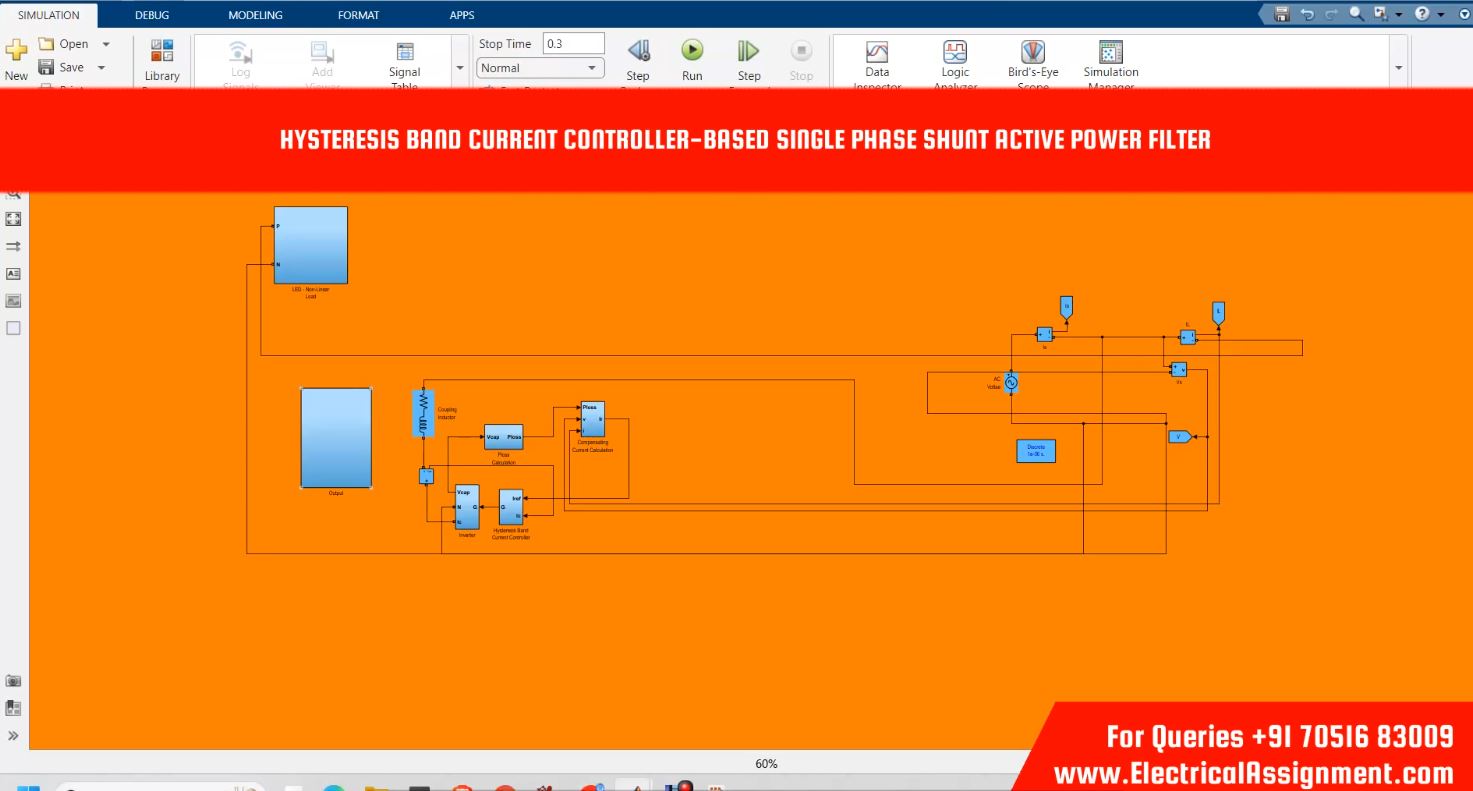
Simulation model screenshots, output plots and visual results for this project.


System Architecture and Research Scope
The recommended architecture starts with the physical plant or communication system, source or disturbance profile, controller or intelligent decision block, measurement subsystem, data logging stage and comparison table. For this topic, important technical blocks include CLLC resonant converter, single phase converter, high efficiency power conversion, soft switching, EV charger. The page is written so that the model can be adapted to different ratings, sampling times, datasets, environmental conditions and research objectives. A structured architecture also helps researchers compare baseline and proposed methods without changing unrelated parts of the simulation.
Implementation Methodology
The implementation methodology should begin with a baseline case, then add the proposed control, AI, optimization, CFD, FEA or protection method. In MATLAB Simulink, each subsystem should be checked with units, parameter limits, solver settings and output scopes. The suggested workflow includes parameter initialization, operating-scenario design, controller tuning or training, disturbance injection, waveform logging and numerical comparison. This makes the work easier to explain in a thesis methodology chapter and reduces the risk of unsupported claims.
Expected Output Signals and Analysis
Expected outputs include technical waveforms, performance indicators, comparison plots and operating-condition evidence. Depending on the exact model, results may include voltage, current, power, speed, torque, SOC, frequency, RoCoF, harmonic distortion, switching response, pressure contours, vibration amplitude, error metrics or classification accuracy. Every graph should include axis labels, units, event times and a paragraph explaining why the observed response supports the research objective.
Validation Strategy for Thesis and Publication Work
Validation should be planned before the final simulation is executed. A strong validation section can include baseline comparison, parameter sensitivity, transient stress testing, robustness under disturbance, solver or mesh checks, and comparison against a known benchmark or selected research paper. For global scholars targeting Germany, France, Malaysia, UAE, UK, USA, Canada or Australia, this validation structure is useful because it turns the project from a visual model into defensible engineering evidence.
Research Novelty and Extension Ideas
Possible novelty can be developed by adding adaptive tuning, AI-based estimation, multi-objective optimization, advanced observers, digital-twin style parameter updates, additional fault scenarios, hybrid energy storage, improved control loops or publication-level comparative analysis. The final novelty should be written as a measurable improvement rather than a generic claim. This project can therefore support research contributions in CLLC resonant converter, single phase converter, high efficiency power conversion, soft switching with clear scope for thesis, paper and FYP adaptation.
Recommended Deliverables
- Complete simulation model with named subsystems and readable parameter structure.
- Scope outputs, graphs, screenshots, performance tables and comparative analysis.
- Methodology explanation suitable for thesis, assignment, FYP and research documentation.
- Validation notes covering baseline behaviour, proposed method, disturbances and limitations.
Project Questions and Research Planning
What is the purpose of Single-Phase CLLC Resonant Converter Modeling for High-Efficiency Power Conversion MATLAB Simulink?
The purpose is to provide a research-ready engineering simulation workflow covering model architecture, implementation method, output analysis and validation for Electrical MATLAB Simulink Projects researchers.
Can this topic be customized for a thesis or journal paper?
Yes. Parameters, scenarios, controllers, datasets, optimization objectives and comparison methods can be modified to match a selected research gap or university requirement.
Which results should be included in the report?
The report should include model architecture, parameter table, operating scenarios, output waveforms or plots, numerical comparison, validation discussion, limitations and future research extensions.
Who can use this project page?
It is written for PhD researchers, engineering scholars, master students, final year project students and technical clients searching for simulation-based research support worldwide.